Ethical Considerations During Property Inspections
14 March 2026
When buying or selling a property, inspections play a crucial role in the process. But beyond checking for structural integrity and potential repairs, there’s another layer that often gets overlooked—ethics. Yes, property inspections aren’t just about what you see; they’re also about how you conduct yourself.
Whether you're a buyer, seller, inspector, or real estate agent, ethical considerations should guide every step of the inspection process. Let's dive deep into what’s right, what’s wrong, and what you should always keep in mind. 
1. Honesty and Transparency in Property Inspections
Full Disclosure Is a Must
If you're selling a property, honesty isn’t just the best policy—it’s the only policy. Hiding defects, painting over mold, or covering up foundation cracks may help you close the deal, but it’s unethical and can even be illegal. Be upfront about any known issues, and allow the buyer to make an informed decision.Buyers, on the other hand, have the right to ask tough questions and request necessary documents. If you suspect the seller is withholding information, push for transparency.
Inspectors Should Be Impartial
Home inspectors have a duty to be fair and objective. Their job isn’t to help one party over another but to provide an accurate report on the property’s condition. An ethical inspector will call out problems without sugarcoating them but also without exaggerating minor issues to scare a buyer away.
2. The Responsibility of the Real Estate Agent
A real estate agent acts as the bridge between buyers and sellers, and their role comes with ethical responsibilities.Avoiding Conflicts of Interest
Agents should never recommend an inspector based purely on personal gain. If an agent has a financial relationship with an inspector, that should be disclosed upfront. Buyers should also have the freedom to hire an independent inspector of their choosing.Encouraging Fair Negotiations
An ethical agent ensures that both parties engage in fair negotiations. This means not pressuring a buyer into skipping an inspection just to speed up the deal, nor should they downplay critical findings from an inspection report.
3. Ethical Behavior During the Inspection Process
Sellers: Respect the Buyer’s Right to Inspect
As a seller, don’t try to block access to key areas of the house during the inspection. If parts of the home are difficult to reach, such as the attic or crawlspace, make accommodations so the inspector can do their job properly.Buyers: Don’t Overstep Boundaries
While it’s perfectly fine to attend your property inspection, it’s not okay to treat it as an open invitation to snoop through personal belongings. Stick to the inspection process and respect the seller’s property.Inspectors: Uphold Professional Standards
A professional inspector should inspect thoroughly but also respect the property. That means not causing unnecessary damage, not moving personal items without permission, and certainly not fabricating issues to benefit any party.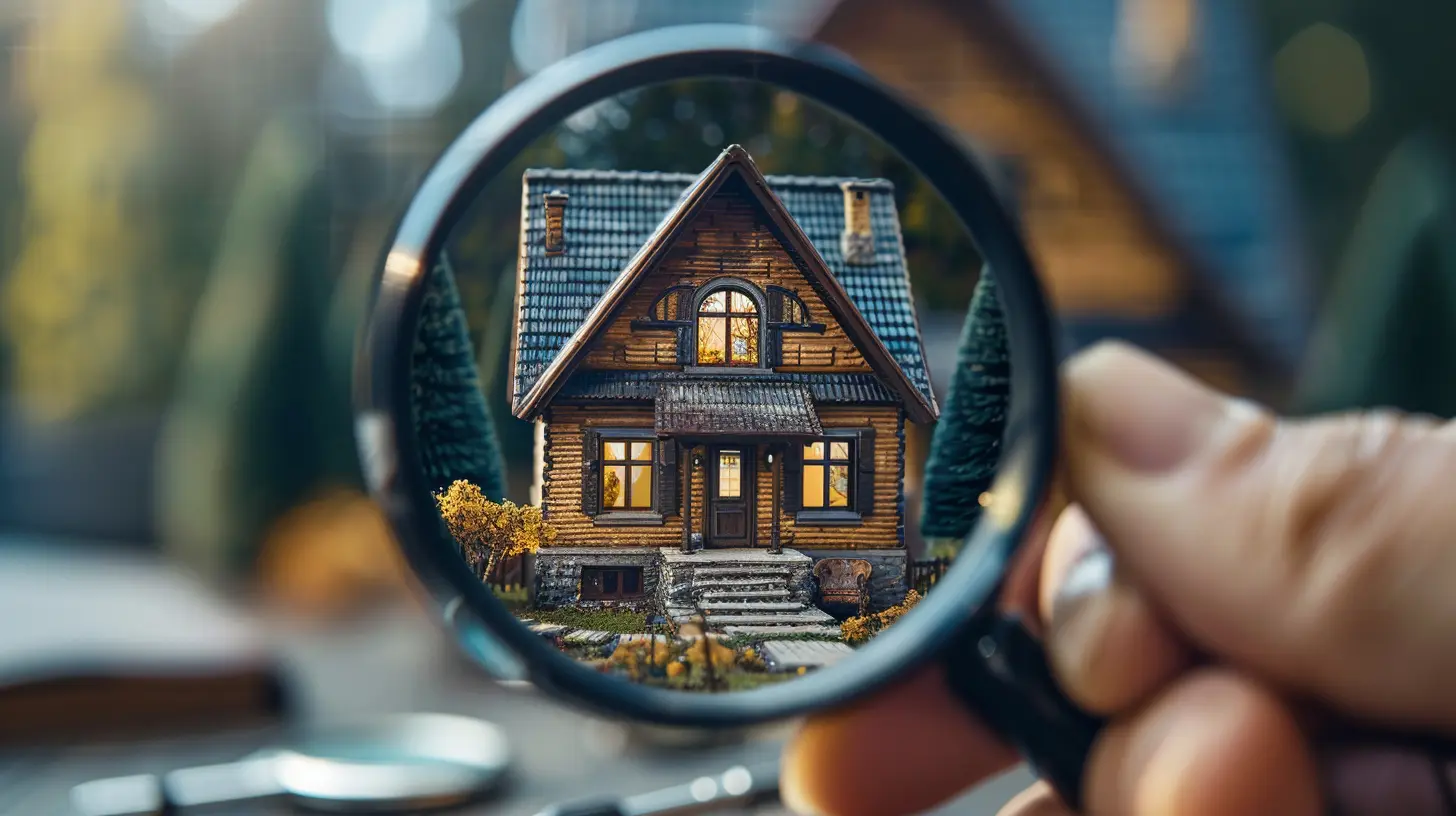
4. The Gray Area: Ethical Dilemmas in Inspections
Sometimes, ethical dilemmas arise, making it hard to determine the "right" thing to do.What If a Seller Wants to Cover Up Issues?
Some sellers may ask inspectors to overlook or downplay problems. Any inspector who agrees to this is stepping into unethical (and potentially illegal) territory. It’s their responsibility to report the property’s condition honestly, no matter how small or severe the issue.Should an Unexpected Issue Be Disclosed Post-Inspection?
If a previously undiscovered problem arises after an initial inspection but before the sale is finalized, should it be disclosed? Ethically speaking, yes. Even if the inspection is already done, hiding new defects from the buyer can lead to serious legal trouble.Is It Ethical to Waive Inspections in a Competitive Market?
In hot real estate markets, buyers sometimes waive inspections to make their offers more attractive. While this speeds up the process, it’s risky. Ethical agents should always inform buyers of the potential consequences of forgoing an inspection.5. Legal and Ethical Consequences of Unethical Inspections
Unethical behavior doesn’t just hurt individuals—it can have serious legal consequences.Lawsuits and Legal Disputes
If a buyer discovers hidden defects after purchasing a home, they can sue the seller for nondisclosure. Likewise, an inspector who deliberately overlooks problems can face legal action for negligence.Reputation Damage
For real estate agents and inspectors, ethical missteps can tarnish reputations. Word spreads fast in the real estate world, and losing credibility can mean losing business.Loss of Certifications and Licenses
Many home inspectors and real estate professionals operate under licensing bodies that enforce ethical standards. One significant ethical violation could result in fines, suspension, or permanent revocation of their license.6. Best Practices for Ethical Property Inspections
To ensure fairness and transparency, here are some best practices:- For Sellers: Be honest about your property’s condition. Disclose any known defects upfront.
- For Buyers: Hire an independent inspector. Don’t succumb to pressure to waive inspections.
- For Inspectors: Stay impartial. Follow industry standards and report findings honestly.
- For Agents: Facilitate honest discussions. Never pressure clients into unethical decisions.
By following these principles, everyone involved in a property inspection can ensure a fair and smooth experience.
Conclusion
At the heart of every property transaction is trust. Without ethical considerations, buying and selling homes could easily turn into a battlefield of dishonesty and legal disputes.So, whether you're selling a home, buying one, or conducting an inspection, remember: doing the right thing isn’t just about following the law—it’s about fairness and integrity. In real estate, as in life, ethical decisions always build stronger foundations.
all images in this post were generated using AI tools
Category:
Real Estate EtiquetteAuthor:

Lydia Hodge
Discussion
rate this article
2 comments
Brick McConkey
Great insights! Ethical considerations in property inspections are crucial for trust and transparency. Upholding integrity not only benefits buyers and sellers but also the entire community.
March 22, 2026 at 4:24 AM
Lydia Hodge
Thank you for your thoughtful comment! I completely agree—integrity in property inspections fosters trust and benefits everyone involved.
Blaine Myers
Ah, ethical property inspections—because who wouldn’t want to inspect a house while worrying about their moral compass? Let’s all put on our superhero capes and save the world, one leaky roof at a time! Next up: ethical vacuuming—because your floor deserves a guilt-free clean too! 🦸♂️🏡
March 20, 2026 at 1:41 PM
Lydia Hodge
I appreciate your humor! While inspecting properties might not seem heroic, addressing ethical considerations ensures fairness and integrity in our industry, ultimately benefiting everyone involved. 🌍🏡